Old Street N1 rubbish collection guide for flats
Posted on 21/10/2026

If you live in a flat around Old Street N1, rubbish collection can feel deceptively simple until the bags start piling up by the door, the communal bin store is full again, and nobody is quite sure whose turn it is to take things down. That is exactly why this Old Street N1 rubbish collection guide for flats exists. It breaks the process into plain English so you can handle everyday waste, bulky items, recycling, and awkward clear-outs without the usual hassle. Whether you are a tenant, leaseholder, managing agent, or landlord, a little structure goes a long way. And yes, it can save you a few headaches, not to mention the smell on a warm afternoon.
Old Street sits right at the edge of busy London living: narrow access routes, shared entrances, mixed-use buildings, and residents who are often in and out at odd hours. So the "best" rubbish collection method is rarely just about lifting a bag. It is about timing, access, building rules, and choosing the right service for the job. This guide covers all of that, plus the mistakes people make when they try to wing it.
- Why it matters in flats
- How rubbish collection works
- Key benefits and practical advantages
- Who this is for
- Step-by-step guidance
- Expert tips for better results
- Common mistakes to avoid
- Tools, resources and recommendations
- Law, compliance and best practice
- Options and comparison table
- Case study example
- Practical checklist
- Conclusion
- Frequently asked questions
Why Old Street N1 rubbish collection guide for flats Matters
Flats are different from houses. That sounds obvious, but in practice it changes everything. In a flat building, waste is shared, access is shared, and responsibility is often shared in theory but not always in real life. One resident leaves a mattress in the hallway and suddenly the whole block notices. A bin collection is missed and the overflow starts creeping into the pavement. You can almost feel the frustration before you even see it.
Old Street N1 brings a few extra layers into the mix. There are apartment blocks with compact bin storage, converted buildings with tricky staircases, and busy streets where timing matters because vans, cyclists, pedestrians and delivery drivers are all trying to use the same space. That means rubbish collection needs to be planned rather than improvised.
There is also a practical property angle. Clean communal areas make buildings feel better kept, which matters for tenants, visitors, landlords and anyone thinking about value. If you are also interested in the wider area context, you may find this piece on Shoreditch's lively neighbourhood character helpful, especially if you want to understand why access and shared-space management matter so much here.
Simply put, good rubbish handling in flats protects hygiene, keeps neighbours on speaking terms, and makes the building easier to live in. Not glamorous, admittedly. But very real.
How Old Street N1 rubbish collection guide for flats Works
Most flat-based rubbish collection follows one of three patterns: regular council-style collection, communal bin store use, or booked private removal for larger amounts. The exact arrangement depends on your building and what kind of waste you have.
For everyday rubbish, residents usually use internal chute systems, shared bins, or designated collection points. In some blocks, bins are taken out by an on-site team or managing agent. In others, residents are expected to bring waste to a communal store and keep it sorted. If the building is older or more tightly packed, access can be fiddly. That is life in London flats, really.
For bulky items, such as an old sofa, broken wardrobe, or a few heavy bags after a clear-out, you often need a separate rubbish collection or waste removal service. That is especially true when items cannot be left safely in a shared area. A dependable starting point is the rubbish collection service for Shoreditch, which is the kind of page people usually need when the job is more than a quick bin run.
The process is usually straightforward:
- Identify what needs removing.
- Separate general waste, recycling, and anything special like broken furniture.
- Check building rules about where items can be left and when.
- Book collection for a suitable time window.
- Make sure access is clear on the day.
- Confirm that nothing has been missed after collection.
The small detail people forget most often? Access. A van may be ready, but if the lift is too small, the stairwell is blocked, or the bin store is locked, the whole plan stalls. A lot of waste work is logistics, not lifting.
Key Benefits and Practical Advantages
There are a few obvious benefits to organised rubbish collection for flats, and a few that only become clear once you have lived through the chaos of poor planning.
- Cleaner shared spaces: halls, bin stores and entrances stay more pleasant to use.
- Fewer complaints: people stop blaming each other for overflow, smells, and fly-tipping risks.
- Better recycling habits: when sorting is easy, residents usually do a better job.
- Less clutter: bulky items do not sit around for weeks waiting for someone else to deal with them.
- Safer movement: clear walkways reduce trip hazards in corridors and stairwells.
- More predictable costs: a planned collection is usually easier to budget for than an emergency clean-up.
There is also peace of mind, which sounds a bit soft until you are standing in a lobby with three rubbish bags, a broken mirror, and a neighbour giving you that look. In that moment, simplicity matters.
For landlords and building managers, good collection routines also help protect the building's reputation. If the block looks managed, people notice. If it looks neglected, they notice that too. If you are weighing wider property decisions around the area, this article on buying or selling in Shoreditch gives useful context on presentation and upkeep.
Who This Is For and When It Makes Sense
This guide is for anyone dealing with flat-based waste in Old Street N1, but some readers will get especially practical value from it.
- Tenants: if your flat is compact and storage is limited, rubbish builds up quickly.
- Leaseholders: if you are responsible for your own disposal, you need a tidy system.
- Managing agents: communal waste issues tend to escalate fast when buildings are busy.
- Landlords: end-of-tenancy rubbish, abandoned items and poor upkeep all need prompt handling.
- Flat sharers: the more people in the property, the more likely waste sorting gets messy.
- Anyone with bulky items: furniture, white goods, old electronics, renovation debris, the lot.
It also makes sense when you are short on time. Truth be told, a lot of people do not need a complicated waste strategy; they need a practical one. Maybe you are moving out next week. Maybe a new sofa is arriving and the old one has to go. Maybe the bin room has become a minor battleground. That is normal enough.
If your situation is more than standard household waste, a broader services overview can help you compare the type of support that matches the scale of the job.
Step-by-Step Guidance
If you want a smoother collection day, a bit of preparation changes everything. Here is the practical route we would recommend.
1. Sort the waste properly
Start by separating general rubbish, mixed recycling, bulky furniture, and anything that should not just be tossed into a black bag. The less mixed up everything is, the easier collection becomes. It also helps avoid awkward surprises later.
2. Check what your building allows
Some buildings allow residents to leave items in a designated store. Others prohibit hallway storage completely. A few have strict time windows for moving waste out. If your building has a managing agent, ask before you drag a sofa down three flights of stairs. Saves trouble. Simple as that.
3. Measure access points
Lift dimensions, stair turns, entrance width, and parking access all matter. A bulky item can be technically removable but practically awkward. That does not mean impossible; it just means the plan needs to be realistic.
4. Decide whether you need scheduled or same-day help
Small, predictable loads can often wait for a booked slot. Urgent clear-outs, overflow situations, and end-of-tenancy jobs may need faster turnaround. If the clutter is already causing stress, waiting another week rarely helps.
5. Prepare the collection point
Keep the route clear. If possible, place bags and items together in one easy-to-reach spot. Do not block fire exits or communal paths. It sounds obvious, but people do it more than you would expect.
6. Stay available on the day
If there is a gate code, concierge note, loading restriction, or awkward parking arrangement, make sure someone can answer questions quickly. A five-minute delay can turn into half an hour in a busy street.
7. Confirm everything has gone
After collection, take a quick look around. Check corners, behind doors, and the bin store. The quiet forgotten thing is often the thing that causes the next complaint.
Expert Tips for Better Results
Here is where experience matters. The basics are one thing, but the smoother jobs usually share the same habits.
- Bundle similar items together. One pile of cardboard, one pile of general waste, one pile of furniture makes the job cleaner and quicker.
- Use heavier-duty bags for awkward loads. Split bags are annoying, messy, and nobody wants that on a staircase.
- Book earlier on busy days. Friday and moving-day demand tends to be higher, especially around central London. Plan ahead where you can.
- Keep recycling dry and clean. Wet cardboard and mixed waste are a common pain point in flats.
- Photograph bulky items before collection. Not because you need a grand archive, just because it helps confirm what needs removing.
- Think about neighbours. If you are moving items through shared spaces, pick a sensible time and avoid the quiet late-night shuffle. Everyone will appreciate it.
There is a small but useful mindset shift here: treat rubbish collection like a mini logistics job, not a chore you "just get around to". That alone improves the outcome a lot. Sounds over-serious, maybe, but it works.
For residents trying to avoid repeat waste issues, this page on recycling and sustainability is a sensible read because better sorting often means fewer collection headaches later.
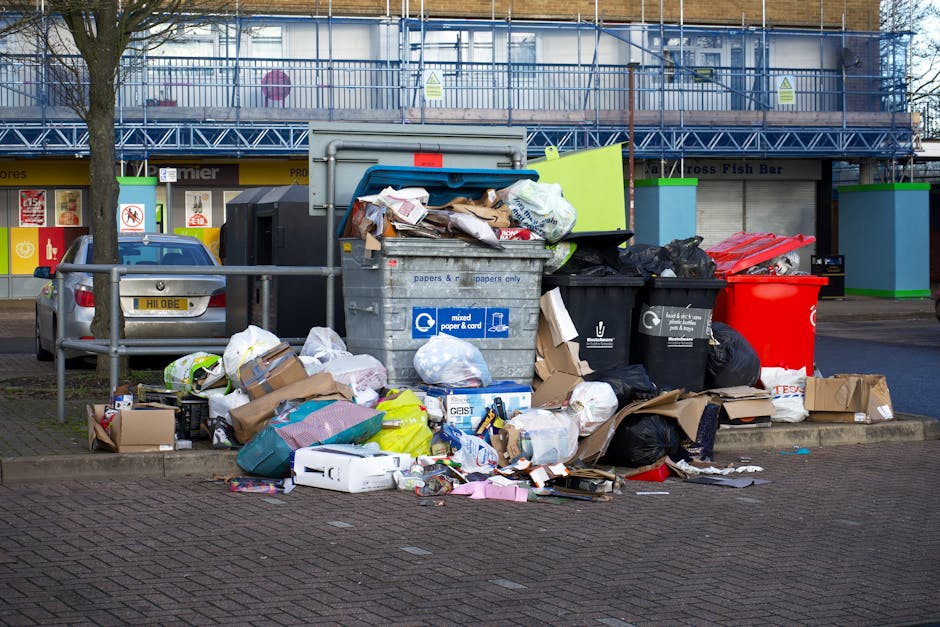
Common Mistakes to Avoid
Most problems with flat rubbish collection are avoidable. The annoying part is that they are usually avoidable in very ordinary ways.
- Leaving bags in the hallway: it blocks access and creates a fire-safety issue in many buildings.
- Ignoring bin-store rules: if everyone treats the space as optional, it becomes a mess fast.
- Mixing rubbish types: mixed loads can make recycling less effective and collection more complicated.
- Forgetting about bulky waste: a table or mattress is not just "another bag". It needs the right removal method.
- Underestimating access problems: stairs, lifts, and parking in Old Street can all slow things down.
- Leaving it until the last minute: a rushed booking is how people end up stressed and overpaying.
- Not checking building instructions: some blocks have specific collection times or storage rules.
One particularly common mistake? Assuming someone else will sort it out. In shared buildings, that assumption ages badly. Very badly.
If your problem is more than a few bags and you are dealing with an end-of-tenancy or full clear-out, the more relevant option may be house clearance support in Shoreditch, especially when belongings need sorting rather than simple disposal.
Tools, Resources and Recommendations
You do not need specialist equipment to manage flat rubbish well, but a few basic tools make life easier.
- Sturdy sacks and boxes: better for sorting and carrying.
- Marker labels: useful for marking recycling, reuse, or disposal piles.
- Tape measure: ideal for checking if bulky items will fit through doors and lifts.
- Gloves: basic, but worth having for moving awkward items.
- Mobile phone camera: handy for photographing loads, access points, or items that need special handling.
- Bin-store key or access code: small thing, huge difference.
In terms of choosing a service, look for clarity more than flashy promises. You want straightforward communication, a realistic collection window, and transparent pricing. If you are comparing service levels, pricing and quote information can help you understand how quotes are usually presented, while insurance and safety details matter if items are heavy, awkward, or being taken from shared internal spaces.
And because a lot of flat waste problems are actually building-management problems, it is also worth keeping an eye on resident communication. A clear notice in the lobby beats ten WhatsApp messages, every time. Well, nearly every time.
Law, Compliance, Standards, or Best Practice
When waste is handled in flats, the important point is not just convenience. It is also compliance and good practice. The exact legal responsibilities can vary depending on whether you are a resident, landlord, or managing agent, so it is sensible to check the obligations that apply to your situation rather than guessing.
In general, the safest approach is to avoid leaving waste in shared walkways, to store items securely, and to make sure waste is passed to a legitimate collector or local collection system. That matters for hygiene, fire safety, neighbour relations, and avoiding fly-tipping issues. It also matters because communal areas are not a spare storage room, however tempting that may seem on a rushed Tuesday evening.
Best practice usually includes:
- keeping escape routes clear;
- sorting recyclable and non-recyclable waste properly;
- using designated bin stores or collection points only;
- booking removal for bulky items instead of leaving them abandoned;
- co-ordinating with building management where access is shared;
- making sure any contractor is clear about access, timing, and what is being removed.
If you are a landlord or agent, documentation matters too. Good records of what was removed, when, and how can be useful if a dispute comes up later. It is not exciting, but it is sensible. Old Street is busy enough without preventable disputes over a bin room.
Options, Methods, or Comparison Table
Different waste situations call for different methods. Here is a simple comparison to help you decide.
| Method | Best for | Pros | Watch-outs |
|---|---|---|---|
| Regular communal bin use | Daily household waste | Convenient, familiar, usually low effort | Can overflow if residents mis-sort or overfill |
| Scheduled bulky waste pickup | Furniture, appliances, large bags | Good for planned clear-outs | Requires prep, access and timing |
| Private rubbish collection | Urgent, mixed, or larger loads | Flexible, useful for awkward jobs | Cost depends on volume and access |
| Flat clear-out service | End of tenancy, probate, moving out | Handles sorting and removal in one go | Needs clear instructions about what stays and what goes |
If you are unsure which method fits, think about three things: volume, urgency, and access. That usually answers the question faster than overthinking it. If the load is light and routine, you probably do not need anything special. If there is furniture, tight access, or a deadline, a dedicated collection is often the calmer choice.
Case Study or Real-World Example
Here is a very typical Old Street scenario. A tenant in a second-floor flat is moving out at the end of the month. Over time, they have collected a few black bags, a broken desk chair, a small shelving unit, and a mattress that cannot just be left outside the front door. The hallway is narrow, the lift is small, and the building manager has asked that nothing be placed in communal areas before collection day.
Instead of trying to do everything in one rushed sweep, the resident sorts the items into categories: general waste, recyclable cardboard, and bulky disposal. They measure the bigger items, check access through the main entrance, and arrange collection for a morning slot when the street is less crowded. On the day, the route from flat to pavement is kept clear and the items are grouped neatly so they can be taken in one visit.
The result? Less stress, fewer trips up and down stairs, and no irritated neighbour peeking out into the corridor at 8 p.m. asking who abandoned a mattress by the lift. That is the kind of boring success that feels excellent in real life.
This kind of planning is especially useful if you are also preparing a property for sale or new tenants. For broader context on local presentation and property readiness, the guide on maximising returns in Shoreditch real estate offers useful related reading.

Practical Checklist
Use this simple checklist before collection day. It keeps things tidy and avoids last-minute scrambles.
- Separate general waste, recycling, and bulky items.
- Check building rules about where items can be left.
- Confirm access details such as codes, keys, and parking.
- Measure large items if they need to pass through narrow spaces.
- Make sure bags are sealed and not overfilled.
- Keep communal walkways and fire exits clear.
- Group the load so everything is easy to collect.
- Book the right type of collection for the volume involved.
- Tell residents or neighbours if shared access will be used.
- Double-check after collection that nothing has been left behind.
Quick summary: if you sort early, check access, and choose the right removal method, flat rubbish collection in Old Street becomes much easier than people expect. Most of the stress comes from rushing, not from the waste itself.
Get a free quote today and see how much you can save.
Conclusion
Old Street N1 flat living has its own rhythm, and rubbish collection is part of that rhythm whether we like it or not. The good news is that it does not need to be complicated. Once you understand the type of waste, the building rules, and the access issues that matter in shared properties, the whole process becomes far more manageable.
Think of it as one of those quiet jobs that makes the rest of life easier. A clean hallway feels calmer. A tidy bin store feels better. A properly planned bulky collection saves time, reduces friction, and keeps your building working the way it should. Not flashy, no. But very worthwhile.
If you are dealing with a flat clear-out, a bulky item problem, or just want a smoother way to handle waste in Old Street N1, the best time to sort it is before it turns into a bigger issue. And once it is done, there is a lovely feeling in the air, almost like the building can breathe again.
 Tipper Van - Rubbish Clearance and Waste Removal Prices in Shoreditch, N1
 Luton Van - Rubbish Clearance and Waste Removal Prices in Shoreditch, N1